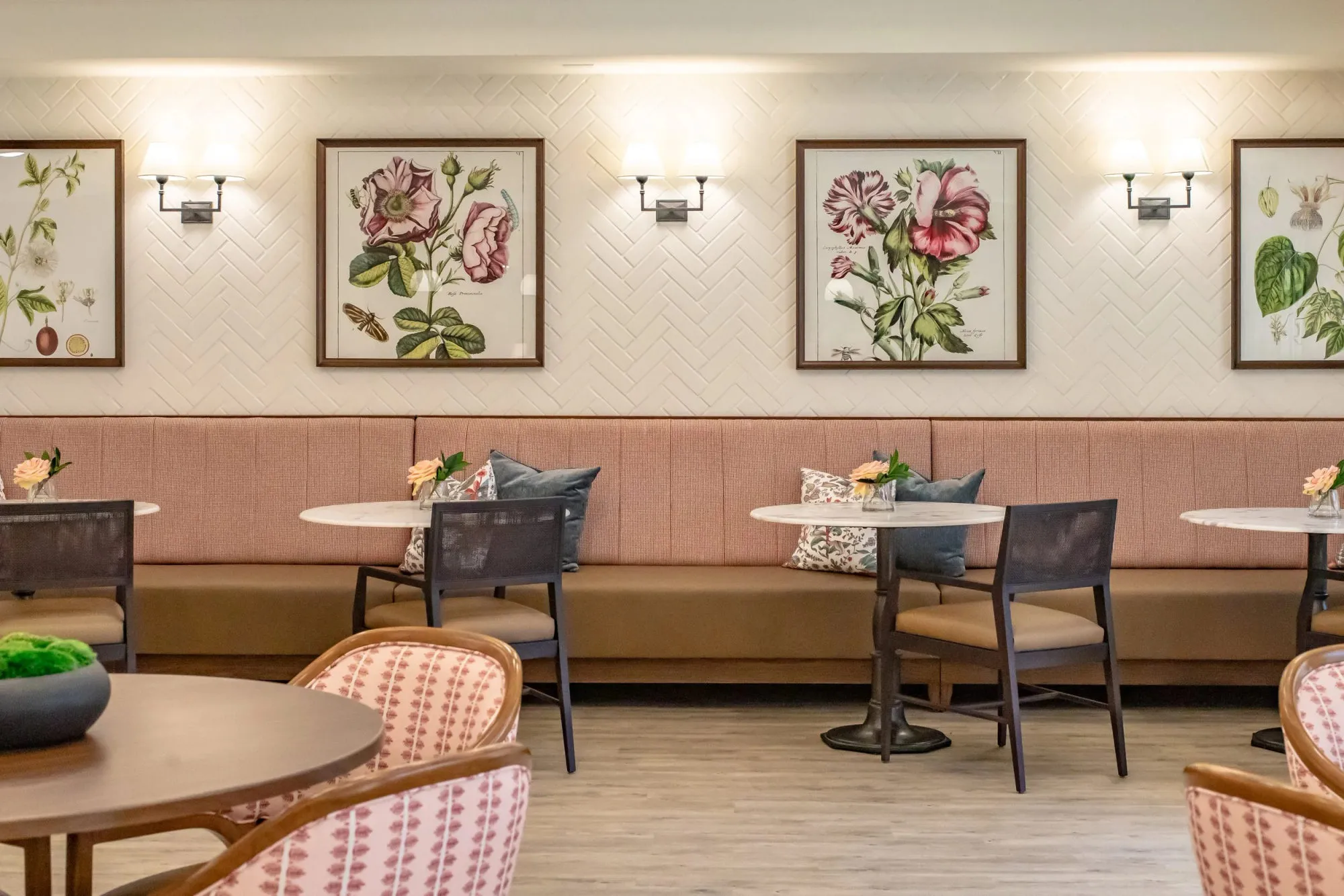
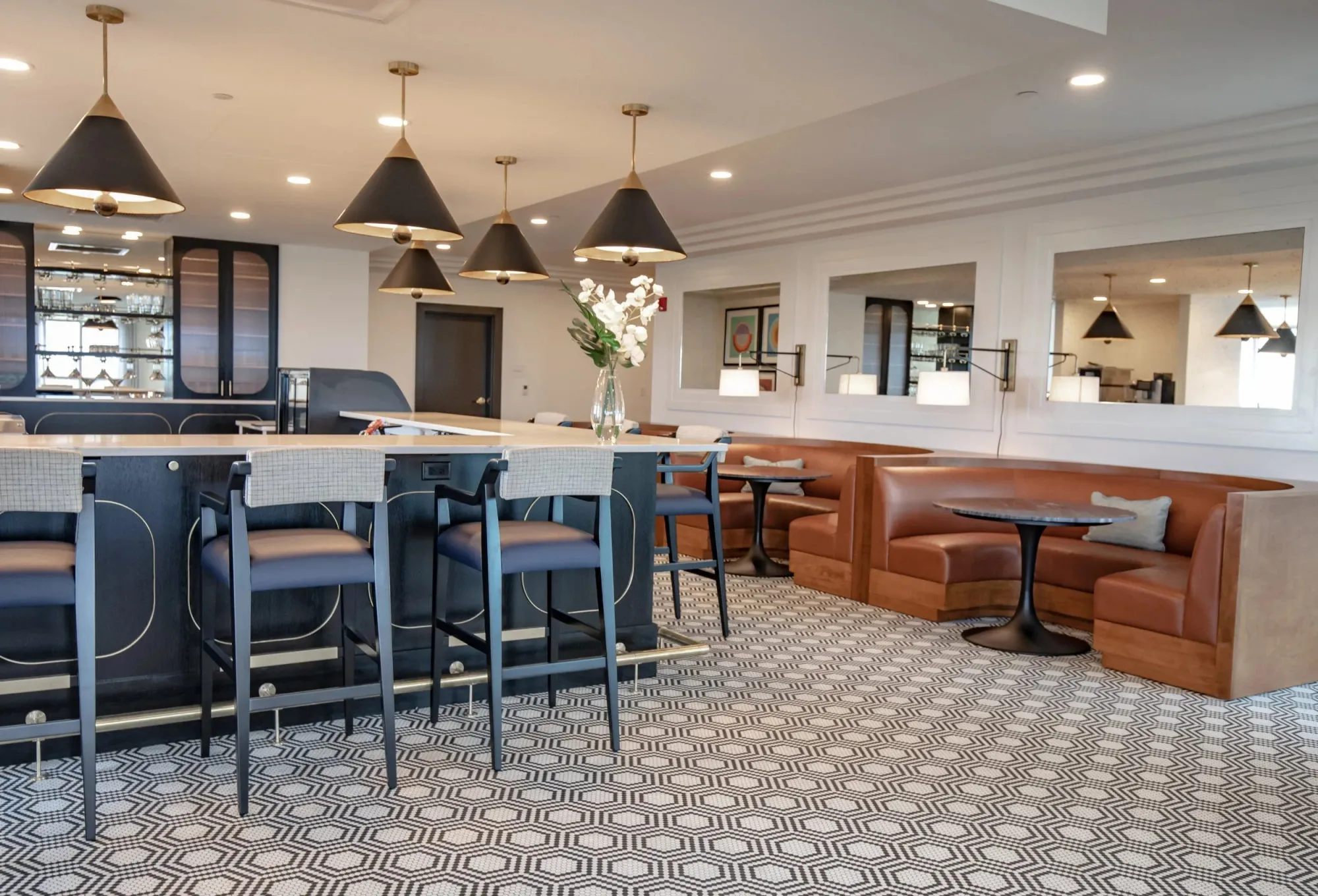
The Spaces Residents Actually Use (and Why Most Communities Get Them Wrong)
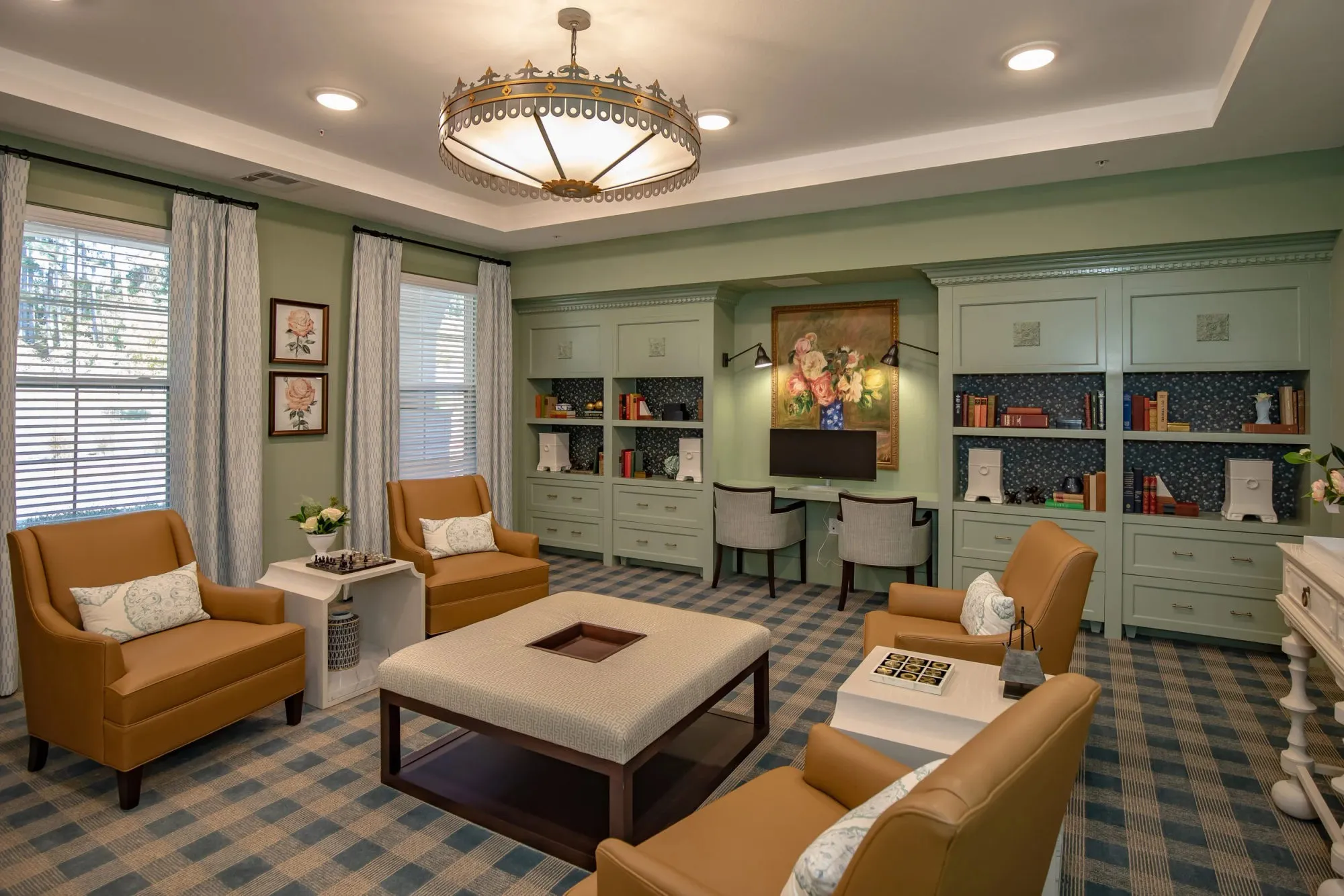
A family walks through your community for the first time. They’re noticing things they’ll never mention on the feedback form: the way light from the chandelier falls in the dining room at 4 p.m., whether the corridor from the lobby to memory care feels like a walk or a march, how staff move through the space, how the lounge seating invites them to sit or signals don’t touch, this is for the brochure.
Those details don’t show up in your capital budget line items. They show up in your lease velocity.
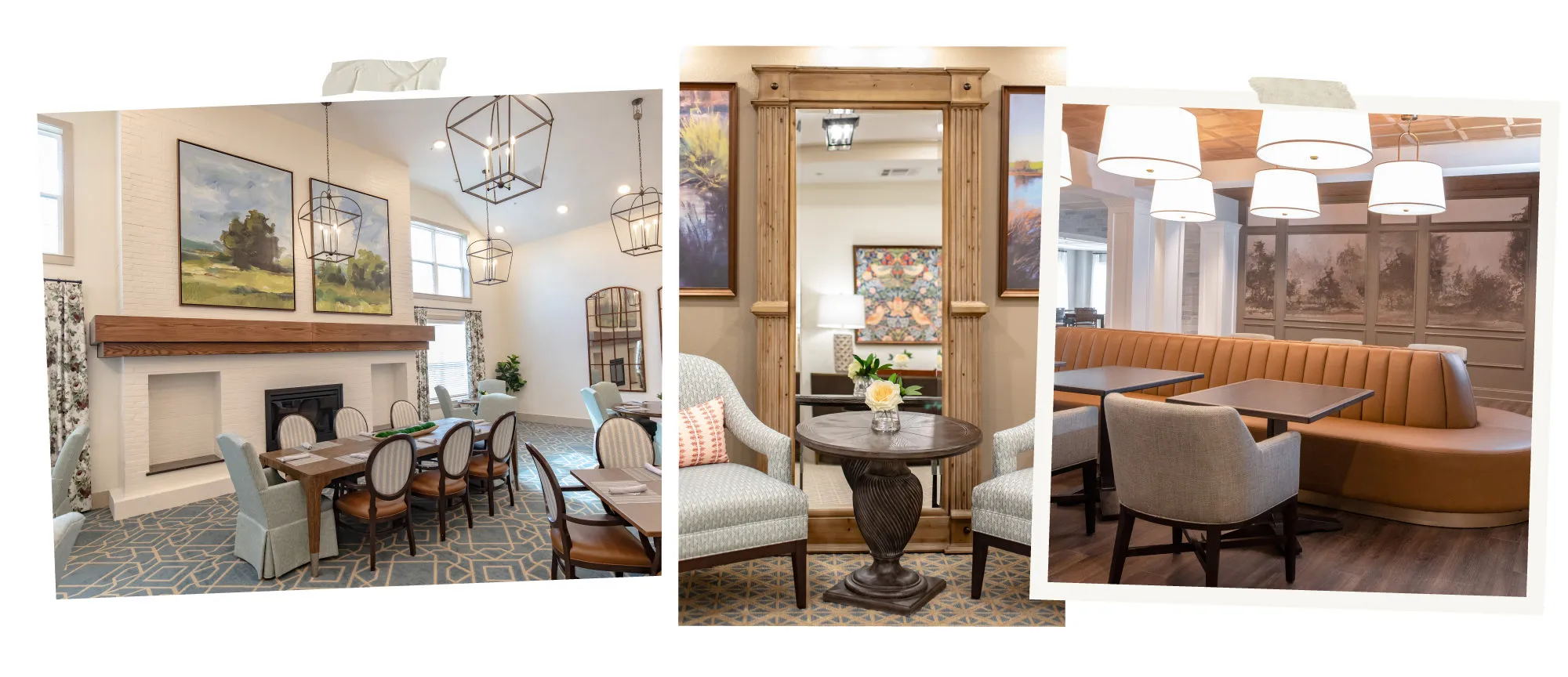
Most Communities Get Designed for Two Moments – That’s the Problem
The tour. The photo shoot. Dining room looks great on the website. Lobby photographs well for presentations and pitch decks. Mission accomplished, right?
Not quite. The spaces residents actually use every day, the ones families see on their third and fourth visits when the sales pitch has faded, those tell a very different story when they haven’t been given the same strategic attention.
Everyday experience is what happens at 7:15 a.m. when a resident navigates from their suite to breakfast without feeling lost or rushed. It’s the texture of a chair under someone’s hand for the hundredth time. It’s a common area that still feels warm in month fourteen because the material was selected for durability and comfort simultaneously, not one sacrificed for the other.
At Banko, everyday experience drives the finish schedule, the FF&E specifications, and the procurement timeline. We don’t treat it as a nice-to-have once the “real” interior design decisions are locked in. It is the design. And it directly affects whether your community hits occupancy projections or watches families sign leases down the street.
The Other Experience That Drives Your Bottom Line
Staff retention is one of the most expensive problems in senior living, and some communities are literally designed to make it worse. A nurse’s station positioned poorly adds hundreds of extra steps per shift. A community dining room layout that forces servers to cross traffic patterns during peak service turns every meal into a low-grade obstacle course. That’s a message, and your staff is receiving it.
Banko designs with staff movement mapped into every floor plan. We think about sightlines for caregivers in memory care wings, storage furniture that’s accessible without disrupting resident spaces, and break areas where staff can actually reset between shifts. Because the communities with the lowest turnover rates tend to be the ones where the physical environment respects the people who work there.
When turnover drops, training costs drop. Service consistency improves. Resident satisfaction scores follow. That sequence compounds for years, and most interior design firms aren’t even having the conversation.
Resi-Mercial: Making Commercial Spaces Feel Like Home
The communities filling fastest right now share something in common: they feel residential without sacrificing commercial performance. Families walking through your front door aren’t benchmarking you against the competitor on the next block. They’re comparing you to their parent’s living room, the last hotel that impressed them, the home their loved one is leaving behind.
Banko’s resi-mercial approach starts with that residential warmth, the kind that puts families at ease instantly, then layers in commercial-grade durability and operational logic. Upholstery that feels like your living room and withstands industrial cleaning protocols. Flooring that reads as warm and survives wheelchair traffic for a decade. Lighting that feels natural in the dining room and meets egress requirements down the corridor without feeling institutional.
Here’s where things go sideways on most projects: these stop being complementary when procurement gets fragmented. The designer hands off specs, a vendor makes substitutions, finishes get value-engineered by someone who’s never watched a family tour a building. By the time anyone notices, the intent behind the design is gone and the community feels like every other one on the market. Banko manages design and procurement under one roof, so the vision that wins approval in a boardroom is the same one families experience on move-in day.
Generic Interiors Don’t Fill Rooms
A family touring a community in coastal Georgia shouldn’t walk into interiors that could be anywhere in the country. Yet that’s what happens when design firms pull from the same playbook, project after project. Warm gray palette, the same stock artwork, forgettable everything. Nobody’s going to complain about those interiors, but nobody’s signing a lease because of them either.
Banko designs with local context as a starting point. Regional palette. Cultural cues. The architectural language of the surrounding area paired with local artwork and accessories. That specificity gives families a reason to feel like your community belongs in their world, and it gives your sales team a visual story that actually differentiates you in a crowded market.
This Compounds, That’s the Point
Resident satisfaction and everyday experience aren’t soft metrics you report to feel good at a board meeting. They feed referral rates, online reviews, family retention during rate increases, and the kind of staff morale that shows up in how your team greets a touring family at the front door.
Communities that invest in occupancy-driven design see returns that build over the life of the asset. The ones that treat design as a line item to manage? They spend years wondering why the building looks right but the numbers don’t.
Banko designs for the residents who live there and the numbers that keep the doors open.
Book a complimentary 30-minute conversation with Founder & Visionary Melissa Banko. You’ll walk away with a clearer picture of how design shapes everyday experience, lease velocity, and long-term asset value, whether you work with us or not.
Let’s talk about your next project
Banko Design specializes in senior living new construction from mid-market to luxury markets. Our team of talented designers and interior architects handles design and procurement from start to finishes in a single integrated process.
The results speak for themselves. Across recent projects with a repeat development partner, Banko-designed communities reached stabilization within 18–22 months of opening, with 100% occupancy following shortly after. Residents and families consistently describe these communities as feeling like “a high-class experience” and “the most well thought out community I’ve seen.” Our recent communities earned a Gold and Silver Award from the American Society of Interior Designers (ASID).
That’s what happens when design decisions are made strategically from the start, with the right partner at the table.
Ready to talk through your upcoming project? Book a consultation with our team at business_development@bankodesign.com. If nothing else, you’ll get a good conversation about what’s possible. But we’re pretty confident you’ll walk away with more than that.
- Categories