The Science Behind Commercial Interior Design & Why the Most Impactful Interiors Are Built On Strategy, Not Just Aesthetics
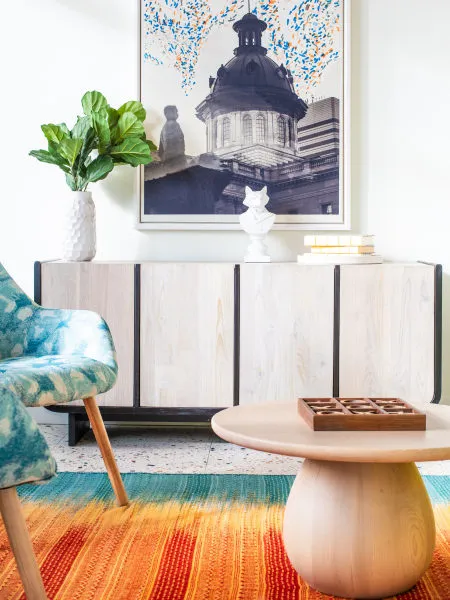
Design is often judged by how it looks. But the spaces that perform best, the ones that support wellness, drive engagement, and stand the test of time are rooted in something deeper.
Science.
At Banko Design, we don’t approach interiors as just decoration. As experienced commercial interior designers, we approach them as environments that influence how people feel, move, interact, and live every day. Especially in senior living, multifamily, and private club communities, design decisions carry weight far beyond aesthetics.
That’s why we spend so much time thinking about what’s happening beneath the surface.
Here are five of the scientific and strategic principles that guide how we design healthier, more effective interiors.
1. Color Isn’t a Preference. It’s a Psychological Tool.
Humans associate emotion with color. We don’t just see color, we feel it. That’s not design theory, it’s biology and psychology working together. Color is one of our most powerful tools in our interior design toolbox.
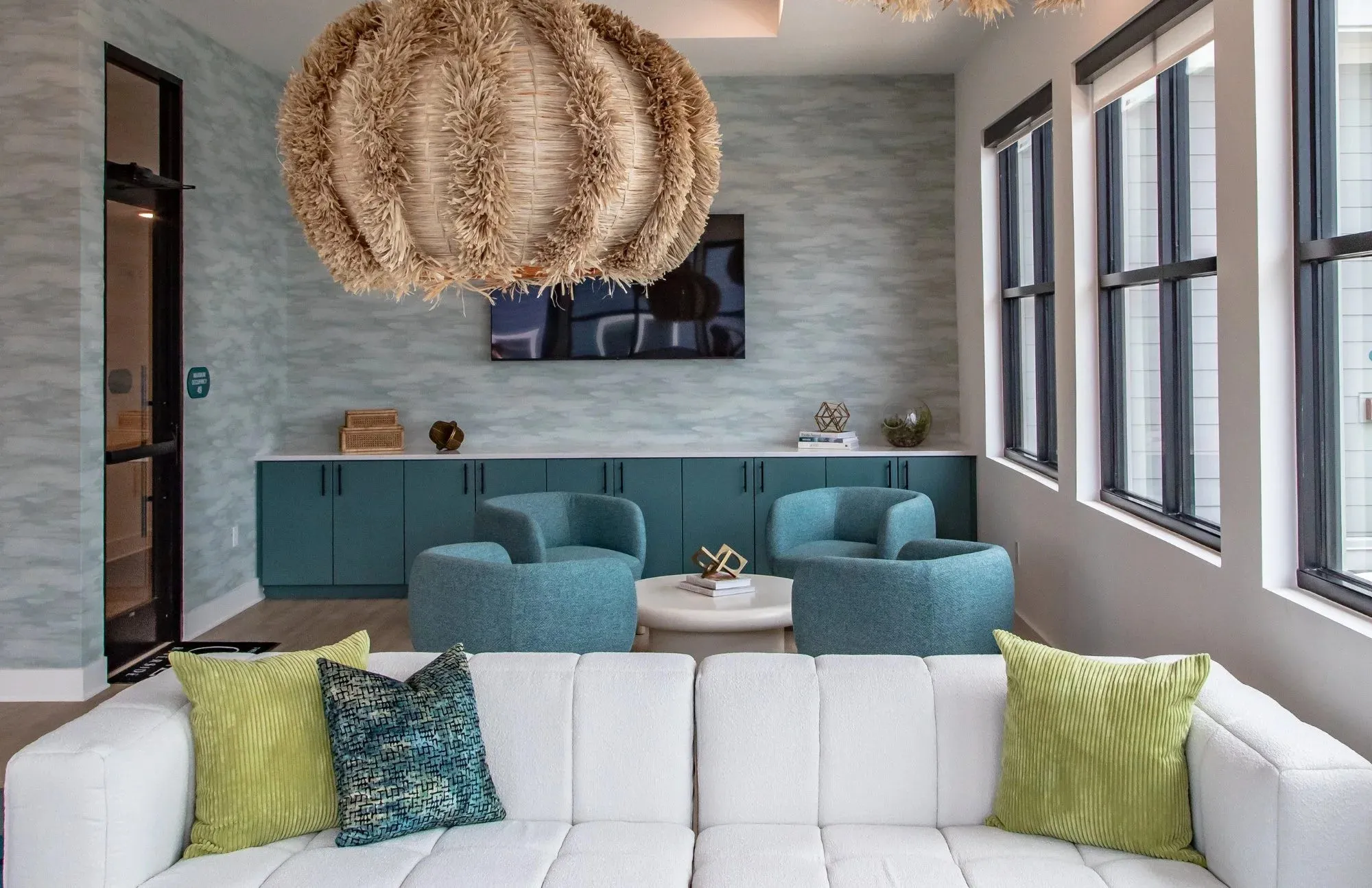
When spaces rely too heavily on neutrals, the emotional response tends to flatten. Calm can quickly tip into disengagement. Safe can start to feel sterile. Color, when used intentionally, can energize, ground, soothe, or stimulate connection.
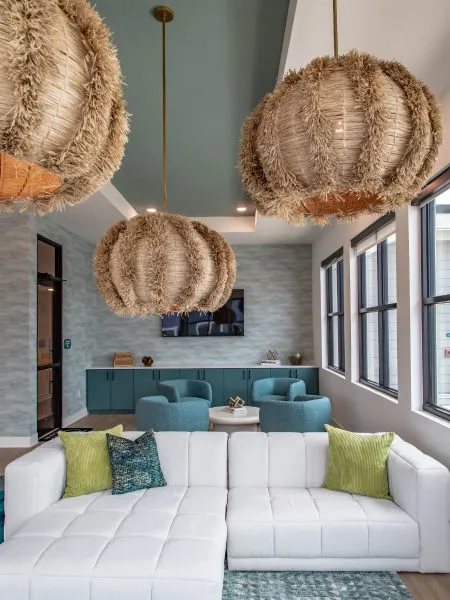
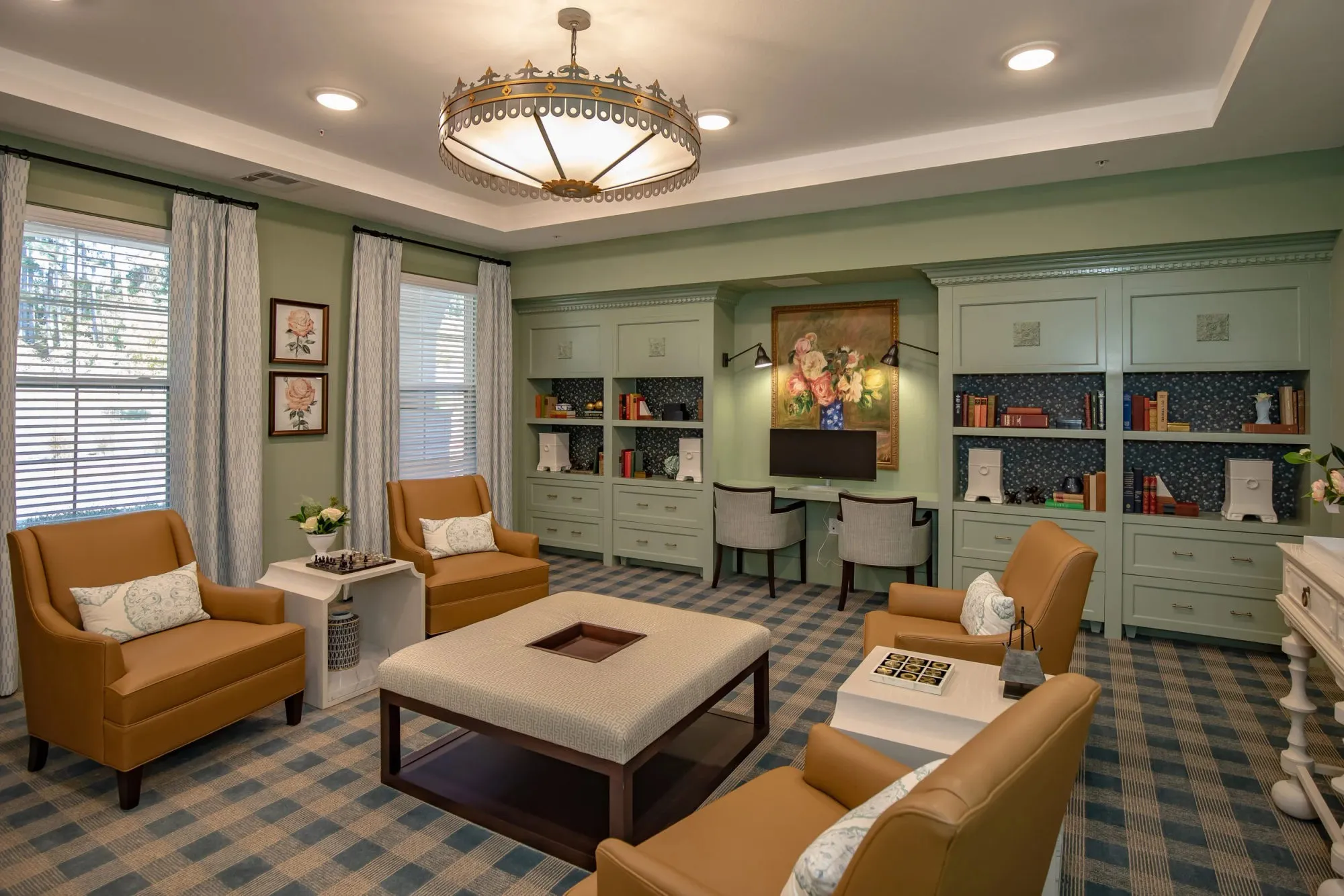
In senior living communities, this matters even more. Color contrast can support wayfinding and cognitive clarity. Certain palettes can evoke comfort and familiarity, while others reinforce vitality and optimism. The goal isn’t loud design or muted design; it’s the right emotional response for the people who live there.
Color should never be accidental. It should help people live better lives!
2. Lighting Shapes Our Internal Clock (Whether We Notice It or Not)
The average person spends nearly 90% of life indoors. That one statistic alone should change how we think about lighting.
Human bodies operate on circadian rhythms which are internal clocks regulated largely by exposure to light. When lighting is poorly considered those rhythms are disrupted. When lighting is intentional, environments can support better sleep, improved mood, and healthier daily patterns.
This is why we look beyond fixture styles and lumen counts.
In multifamily and senior living interior design, we study:
- How natural light enters and moves through a space
- How artificial lighting shifts throughout the day
- How finishes and colors interact under different light temperatures
Lighting isn’t just about visibility; it’s about aligning interior environments with how humans are wired to function.
3. Biophilia Is More Than a Moss Ball
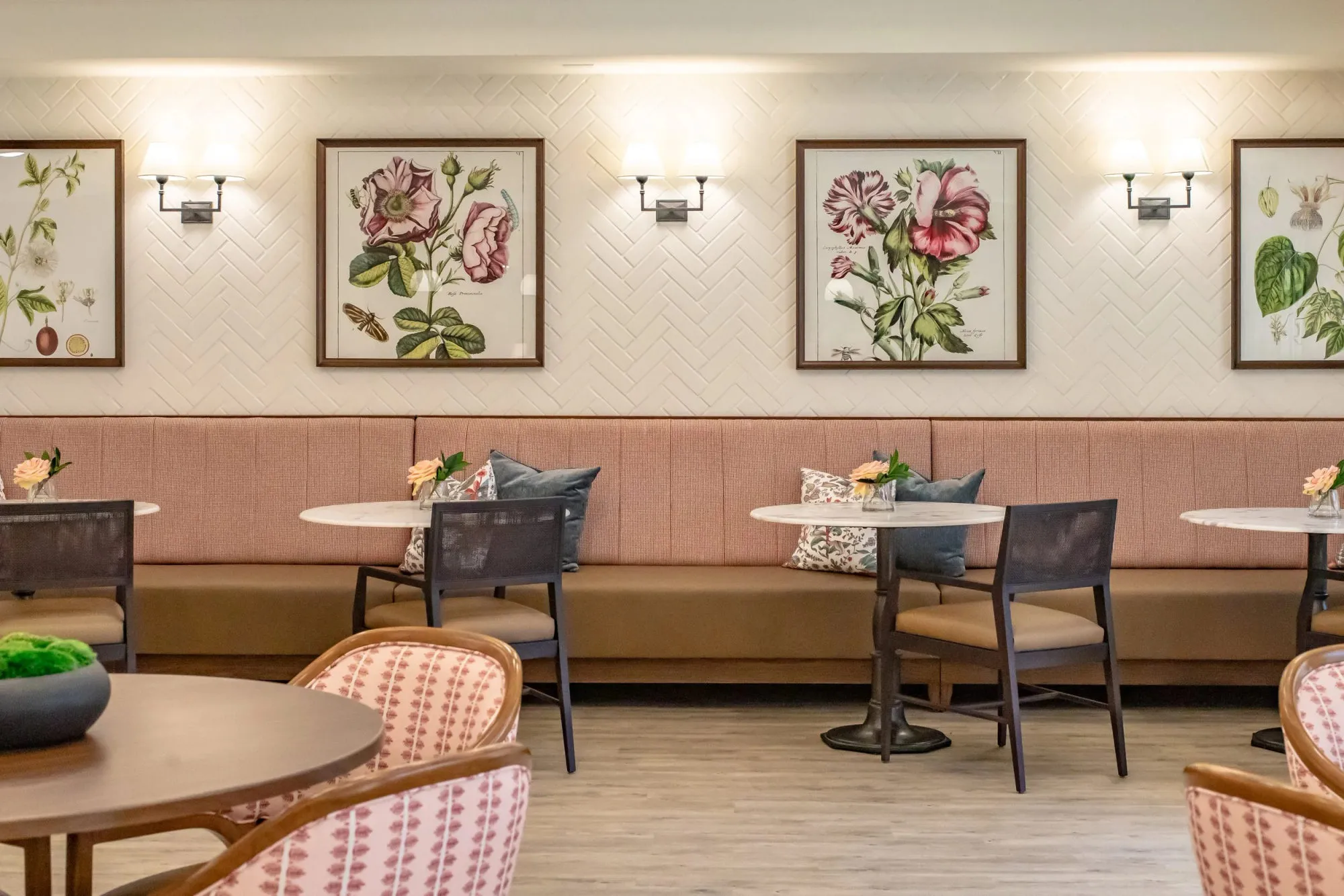
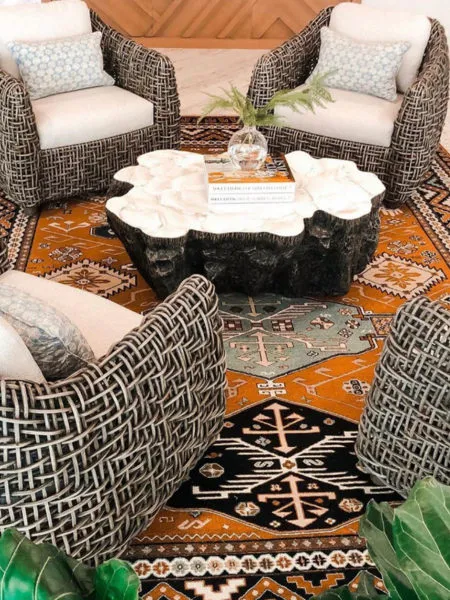
Being “eco connected” doesn’t mean adding greenery as an afterthought. True biophilic design is about creating meaningful connections to nature through materials, color palettes, textures, light, and context.
That connection might show up as:
- Finishes inspired by local landscapes
- Art that reflects regional history
- Outdoor amenities that feel fully integrated, not tacked on
- Materials that echo natural patterns and rhythms
For communities across different markets, eco connection also means designing locally. A community in Texas should not feel like a community in the Carolinas. Design that responds to place feels grounded, authentic, and emotionally familiar to residents and members.
Biophilia works best when it’s intentional and respects local culture.
4. Acoustics Directly Impact Stress and Well‑Being
If a space feels loud, it often feels stressful, even when no one can quite name why.
Sound bounces and hard surfaces amplify noise. Constant background noise raises cortisol levels, increases heart rate, and contributes to mental fatigue and anxiety over time. In environments intended for living, socializing, or focused activity, poor acoustics quietly erode the experience.
Interior finishes play a critical role here.
Materials such as:
- Upholstered wall panels
- Acoustic ceiling systems
- Area rugs
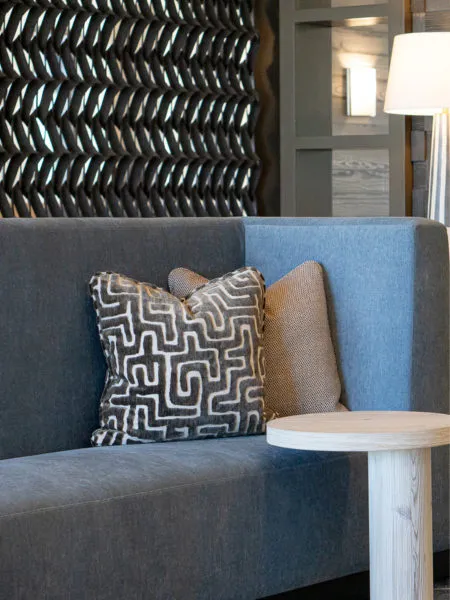
- Wood slat features
These can significantly reduce reverberation and soften sound. In many cases, thoughtful material selection can reduce noise reflection by more than half without making spaces feel institutional or closed off. In multifamily, the open lounge and kitchen areas meant for entertaining and connection – the noises need to be dampened, or it can feel overwhelming. Similarly with senior living and the different care levels – too much noise can be overstimulating, so it’s about finding the right balance.
5. Programming: Designing for Human Behavior, Not Furniture Plans
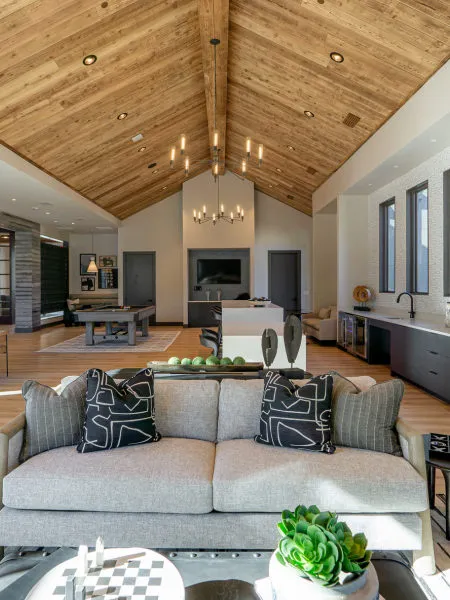
Space planning isn’t the final puzzle piece, it’s the foundation.
Programming asks a simple but powerful question: How will people actually use this space?
Design that ignores behavior creates congestion, isolation, or discomfort. Design that understands circulation creates flow, ease, and connection.
We consider:
- How residents, members, or staff enter and exit a space
- Where they naturally pause or gather
- How sightlines influence comfort and safety
- How different layouts encourage or discourage interaction
Commercial projects see the strongest results when architects and interior designers collaborate from the start; defining program and space planning together, before walls and budgets lock decisions in.
The strongest communities and clubs don’t succeed over time because they chase trends. They succeed because the design decisions were grounded in research, experience, and strategic thinking from the beginning.
That’s the science behind design.
It’s how we create spaces that feel good on day one and still function beautifully for years down the road. Spaces that support wellness, respect budgets, and perform at a commercial level while still feeling like home.
If you’re planning a new community or rethinking an existing one, the right design questions matter just as much as the right design answers. And that’s a conversation we’re always ready to have.
Have a project you’d like the Banko team involved in? Reach out to us at business_development@bankodesign.com.