5 Important Design Questions to Ask Before You Begin a New Senior Living Project
New construction is moving fast. Capital markets are open, ground is breaking, and the communities launching over the next 24 months will define what occupancy looks like in their markets. Some will hit 90% within six months. Others will still be offering incentives a year later.
The difference isn’t location or amenities. It’s bringing your interior design partner in at the very beginning, alongside the architect during pre-design or schematic design before decisions become constraints.
Here are the questions that separate projects that lease fast from projects that struggle.
1. When should you bring your design team into the process?
Most developers wait too long.
If your interior design firm enters after the architect has submitted drawings and the budget is approved, you’ve already constrained what’s possible. At that point, design becomes decorative problem-solving instead of strategic planning. You’re working around decisions that were made without understanding how residents, families, and staff will actually use the space.
What changes when design comes in early:
Your interiors team coordinates with the architect and general contractor while floor plans, circulation patterns, and programming are still flexible. That’s how you avoid the value-engineering cuts that compromise resident experience. That’s how you prevent change orders that add cost and delay timelines. That’s how the renderings you showed investors match what actually gets built.
The strongest projects we’ve worked on brought design into the conversation during pre-development. The result: fewer surprises, tighter budgets, faster construction timelines, coordinated construction documents, and communities that deliver on their promises from day one.
2. What resident experience are you designing for?
This question needs an answer before anyone draws a floor plan.
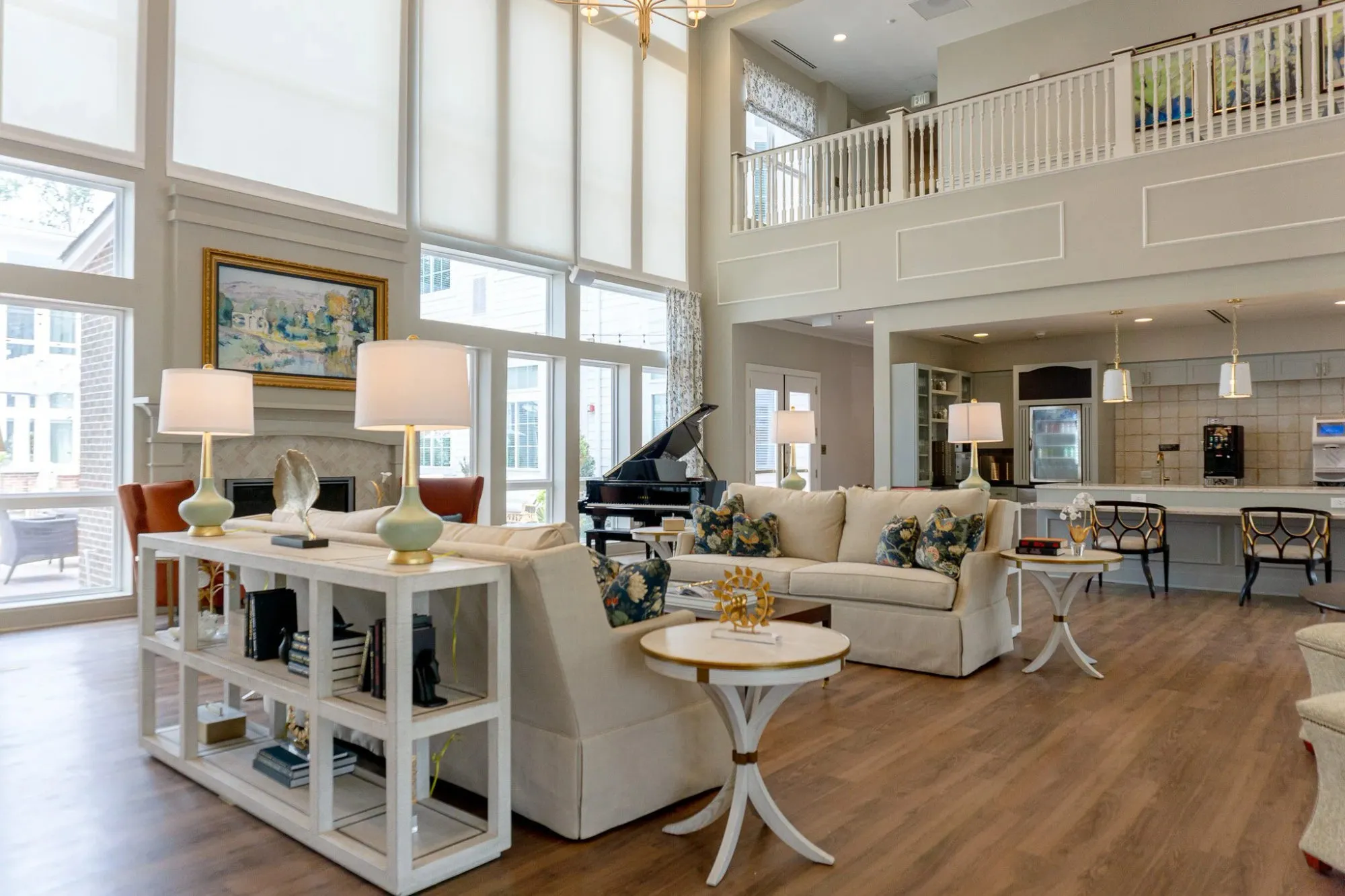
Families touring senior living communities aren’t evaluating square footage or amenity counts. They’re walking through your lobby, your dining room, your community spaces and asking themselves one question: Would I want my loved one to live here?
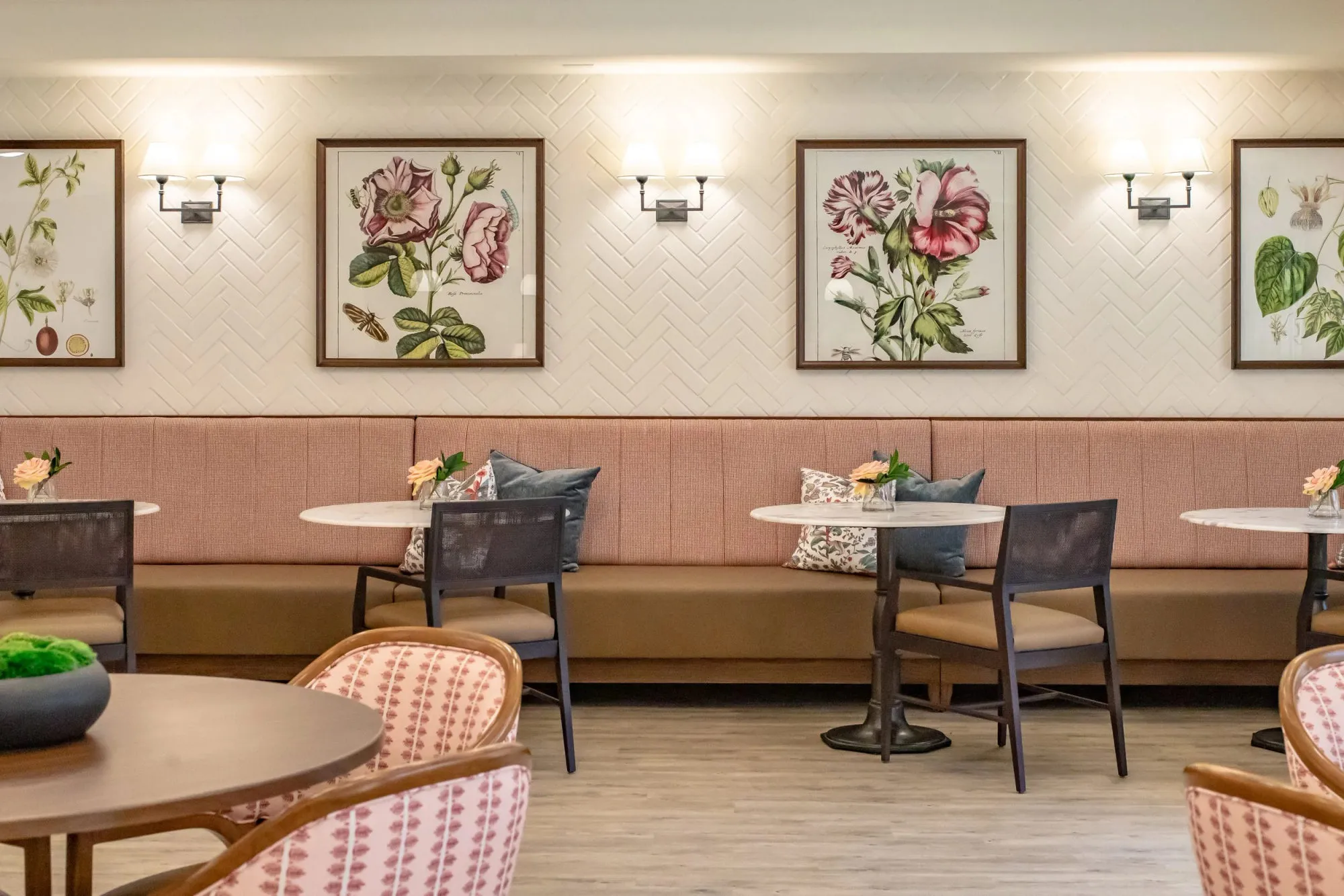
That decision happens in the first five minutes. It’s visceral, not rational. Communities with warmth, local character, and a clear sense of place fill faster than communities that look interchangeable with every other project in the market.
The design brief should define:
- Who your resident is (their income level, lifestyle expectations, care needs)
- What emotional experience you’re creating (is this a resort-inspired retreat? A sophisticated urban residence? A warm, neighborhood-centered community?)
- How the design reflects your location and market positioning
We design for the resident who will live in the community every day. When you get that right, families feel it immediately. When you don’t, they keep looking.
3. How will your design support daily operations?
Renderings don’t run buildings. Staff do.
Before layouts get locked, walk through how your operations team will actually function in the space. How does food service flow from kitchen to dining without disrupting tours during peak hours? How do care teams move efficiently through the building during shifts? Where does housekeeping store equipment so it’s accessible to staff but invisible to residents and families?
These aren’t finishing touches. These are core operational decisions that affect labor costs, staff satisfaction, and care quality for the life of the building.
Operational intelligence shows up in:
- Circulation patterns that separate resident, staff, and delivery routes
- Sightlines that allow staff to monitor common areas without institutional surveillance aesthetics
- Storage solutions that keep operations running smoothly without cluttering resident-facing spaces
- Acoustics that allow staff to communicate clearly while maintaining a residential atmosphere
Get this right during design and you’ll see it in staff retention rates, operational efficiency, and a floor plan that works as well in year ten as it did on opening day.
4. Are you specifying materials for durability or just trying to hit a budget number?
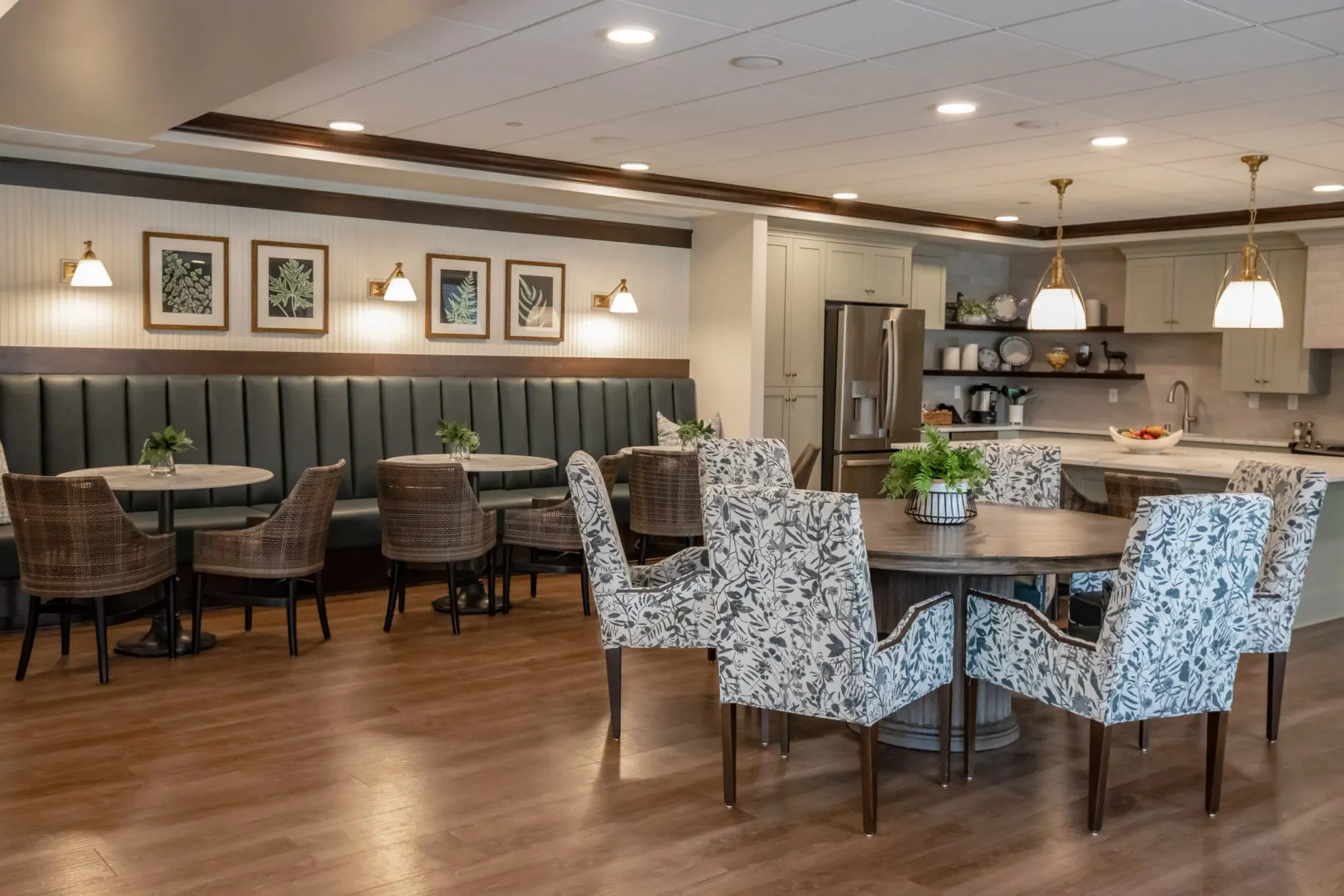
Senior living communities operate under commercial use conditions. Furniture gets moved daily. Flooring takes constant wear from wheelchairs, walkers, and foot traffic. Upholstery must be durable and cleanable, which means a higher quality level than some developers anticipate during the budgeting phase. You need a designer who understands the difference between commercial grade FF&E in various care level communities: independent living versus memory care, and so on.
Residential-grade materials in a commercial environment fail faster than anyone wants to admit when presenting pro formas to investors.
The real cost calculation:
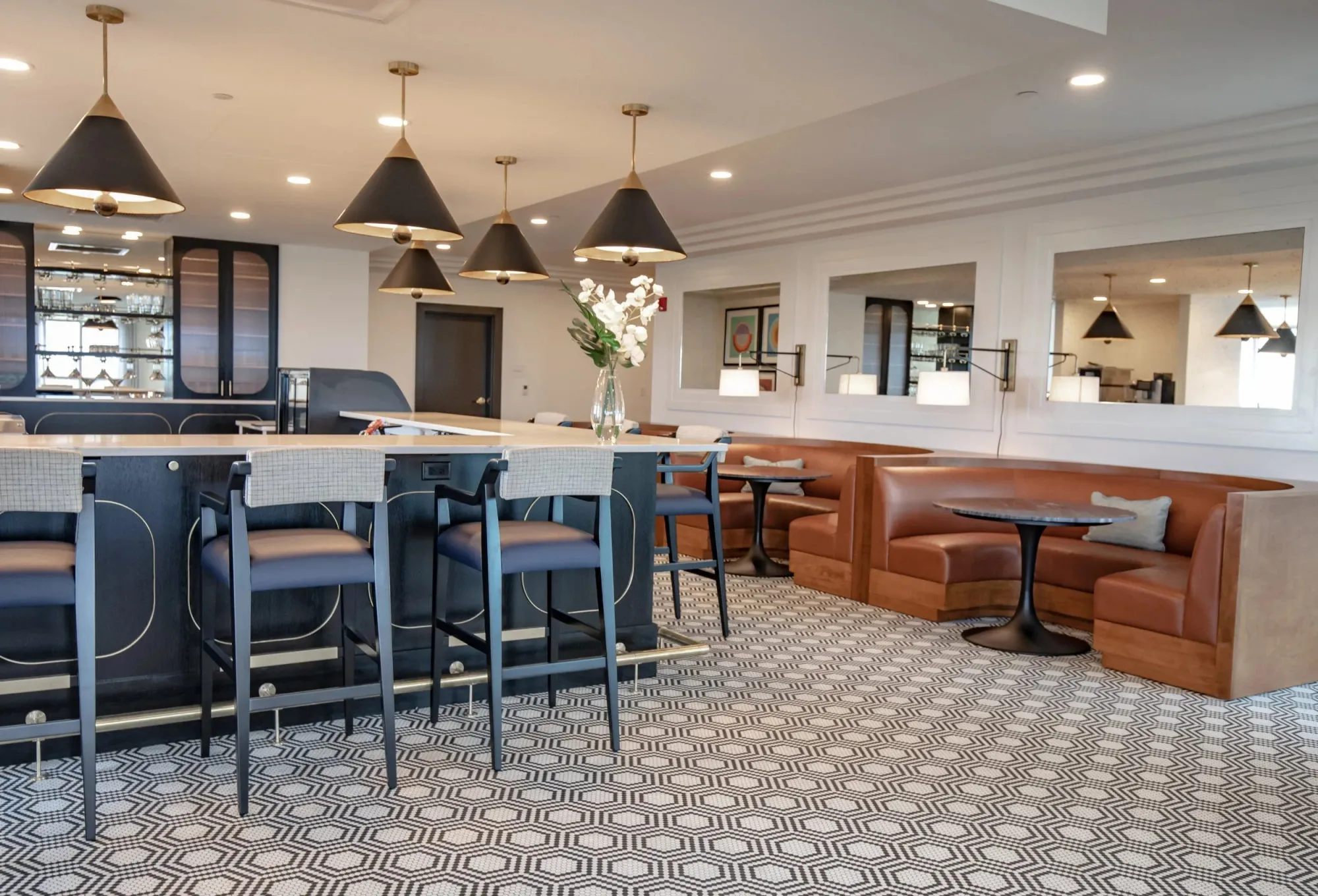
A community that maintains its value over ten, fifteen, twenty years made a specification decision during planning: commercial-grade materials with residential aesthetics. It requires a higher upfront investment, but the lifecycle cost is significantly lower. No premature replacements. No unplanned capital expenditures. No value loss from worn-out interiors when you’re trying to refinance or sell.
That’s what resi-mercial design means: spaces that feel warm and residential but perform at commercial durability standards. Make that specification choice during design, not during construction when you’re already over budget and out of options.
5. Should your design and procurement teams be integrated or separate?
This decision determines whether your project stays on schedule and on budget.
Many developers split design and procurement between different firms. When that happens, someone has to manage the gap between what gets designed and what gets ordered. Specs get swapped or misinterpreted. Lead times get missed. The furniture doesn’t arrive on time and the install is an absolute headache to coordinate.
What integration solves:
- One team accountable for design intent and delivery
- Real-time coordination between design specifications and procurement lead times
- No miscommunication between separate firms with different priorities
- Faster project completion with fewer change orders
We’ve seen projects lose months to procurement delays that could have been prevented with integrated planning. The fix is simple: one team handling design and procurement from the same playbook, with unified accountability from concept through installation.
Let’s talk about your next project
Banko Design specializes in senior living new construction from mid-market to luxury markets. Our team of talented designers and interior architects handles design and procurement from start to finishes in a single integrated process.
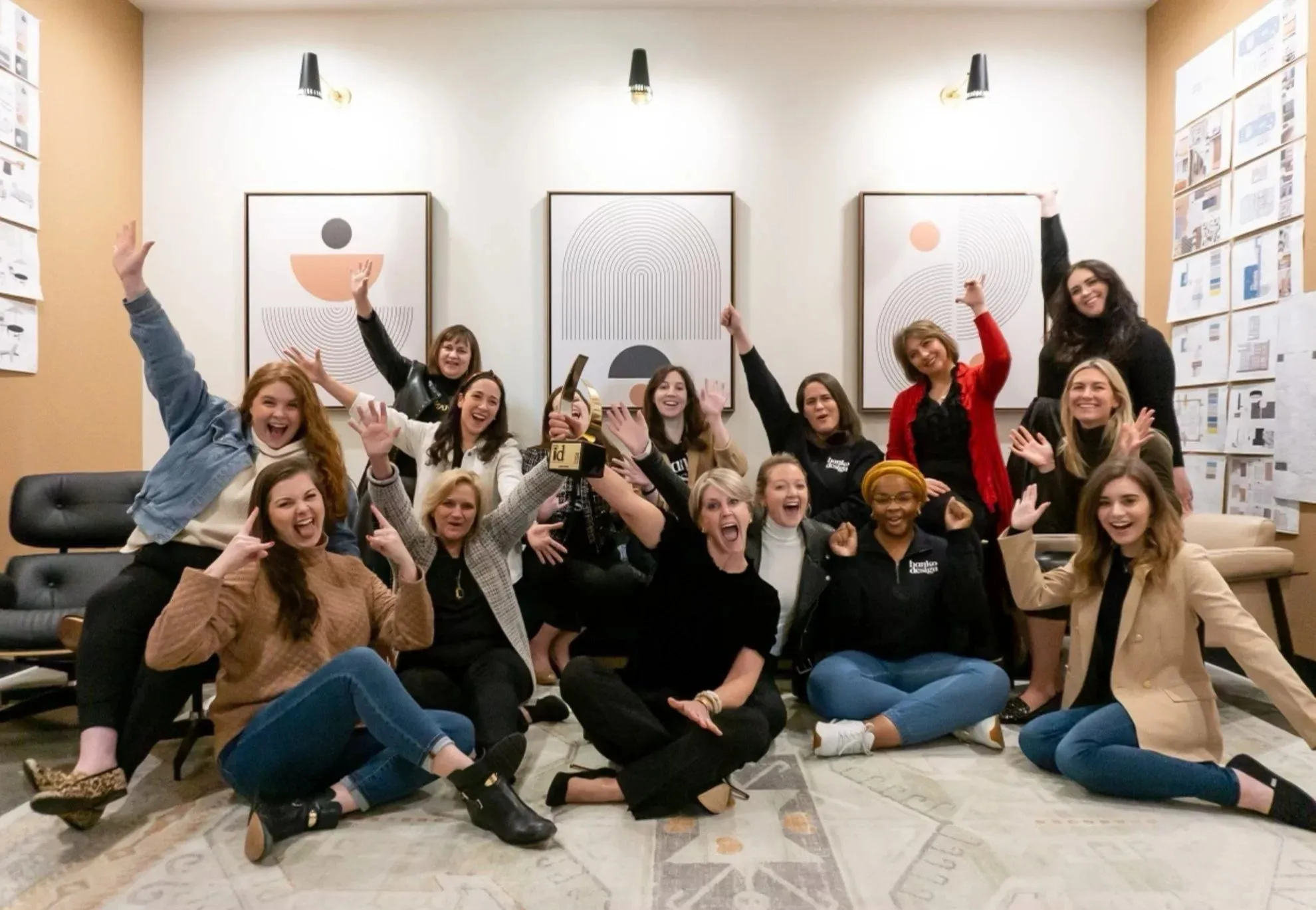
The results speak for themselves. Across recent projects with a repeat development partner, Banko-designed communities reached stabilization within 18–22 months of opening, with 100% occupancy following shortly after. Residents and families consistently describe these communities as feeling like “a high-class experience” and “the most well thought out community I’ve seen.” Our recent communities earned a Gold and Silver Award from the American Society of Interior Designers (ASID).
That’s what happens when design decisions are made strategically from the start, with the right partner at the table.
Ready to talk through your upcoming project? Book a consultation with our team at business_development@bankodesign.com. If nothing else, you’ll get a good conversation about what’s possible. But we’re pretty confident you’ll walk away with more than that.
- Categories