The 18th Hole May Bring Members In. The 19th Hole Is What Keeps Them Around.
Why the most important hole at a club may not be on the course at all.
Ask any golfer what makes a great club, and they’ll likely start with the course.
The conditions. The layout. The challenge. The history.
And they’re not wrong.
A great golf course is often what introduces someone to a club. It’s the first impression. The attraction. The reason a prospective member schedules a visit in the first place.
But if you ask longtime members why they’ve stayed, the conversation tends to shift.
They talk about the people. The traditions. The bartender who remembers their drink order. The chair everyone fights over. The conversations that lasted longer than expected.
They talk about the 19th hole.
What Is the 19th Hole?
Traditionally, the “19th hole” refers to the clubhouse. More specifically, it’s what happens after the round.
It’s where members gather after a Thursday afternoon game.
It’s where friendships are formed.
Business gets done.
Stories get repeated.
And traditions are passed down.
In many ways, the clubhouse serves as the heart of the club. The golf course may be the attraction, but the clubhouse is often what creates community.
Members Don’t Return for Amenities Alone
Many clubs focus heavily on amenities.
A new dining venue.
A renovated fitness facility.
An expanded terrace.
A refreshed bar.
All these investments matter, but amenities alone don’t create loyalty. People rarely become emotionally connected to a piece of equipment or a square footage count.
They become connected to experiences.
The clubs that consistently retain members understand that the goal is not simply to provide amenities. The goal is to create places where members genuinely want to spend time.
Because the best club experiences start with “one more drink” and end three hours later.
The Best Clubhouses Encourage People to Linger
One of the most common mistakes in club design is focusing too heavily on how a space looks and not enough on how it feels. Beautiful spaces matter, but comfort matters more.
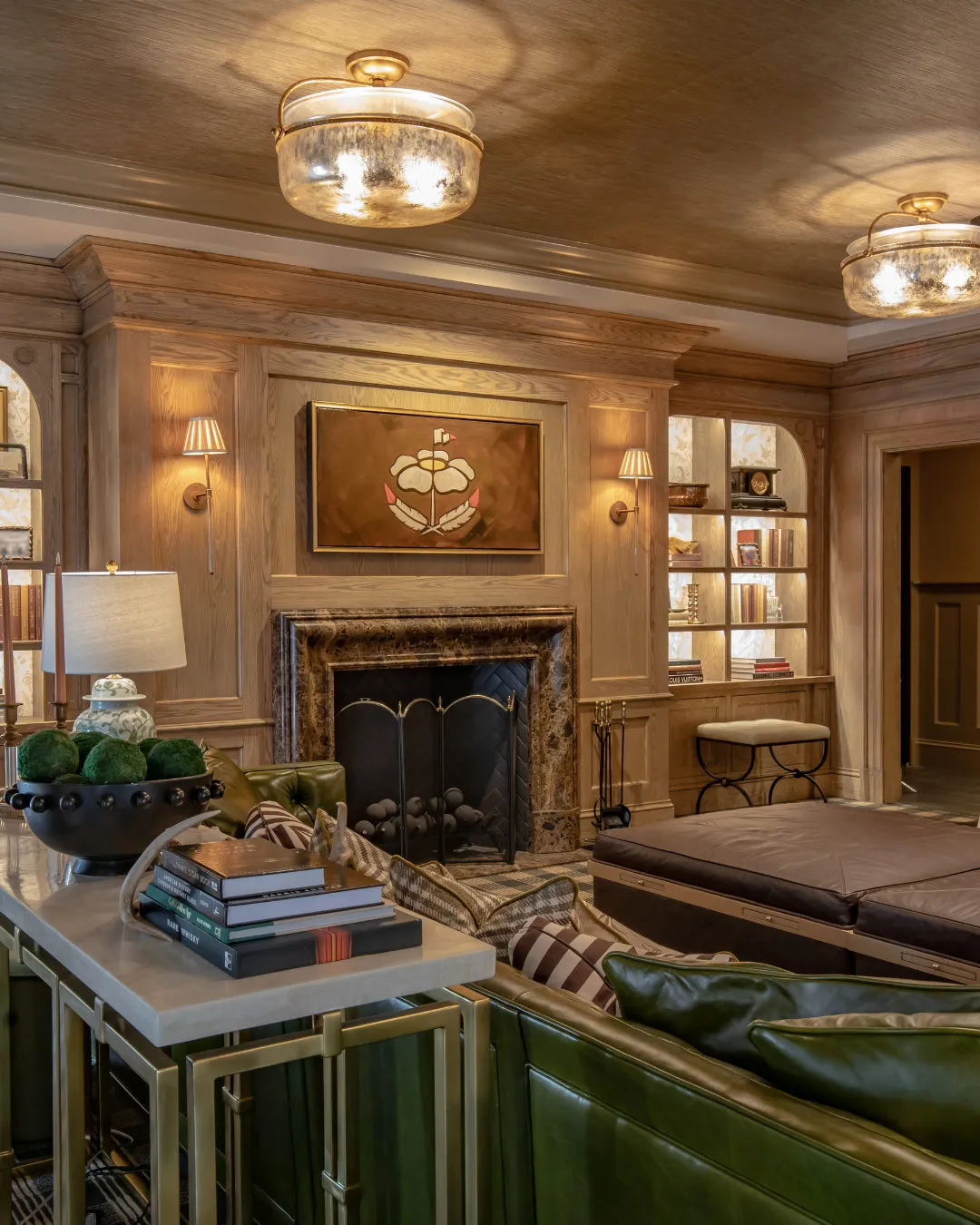
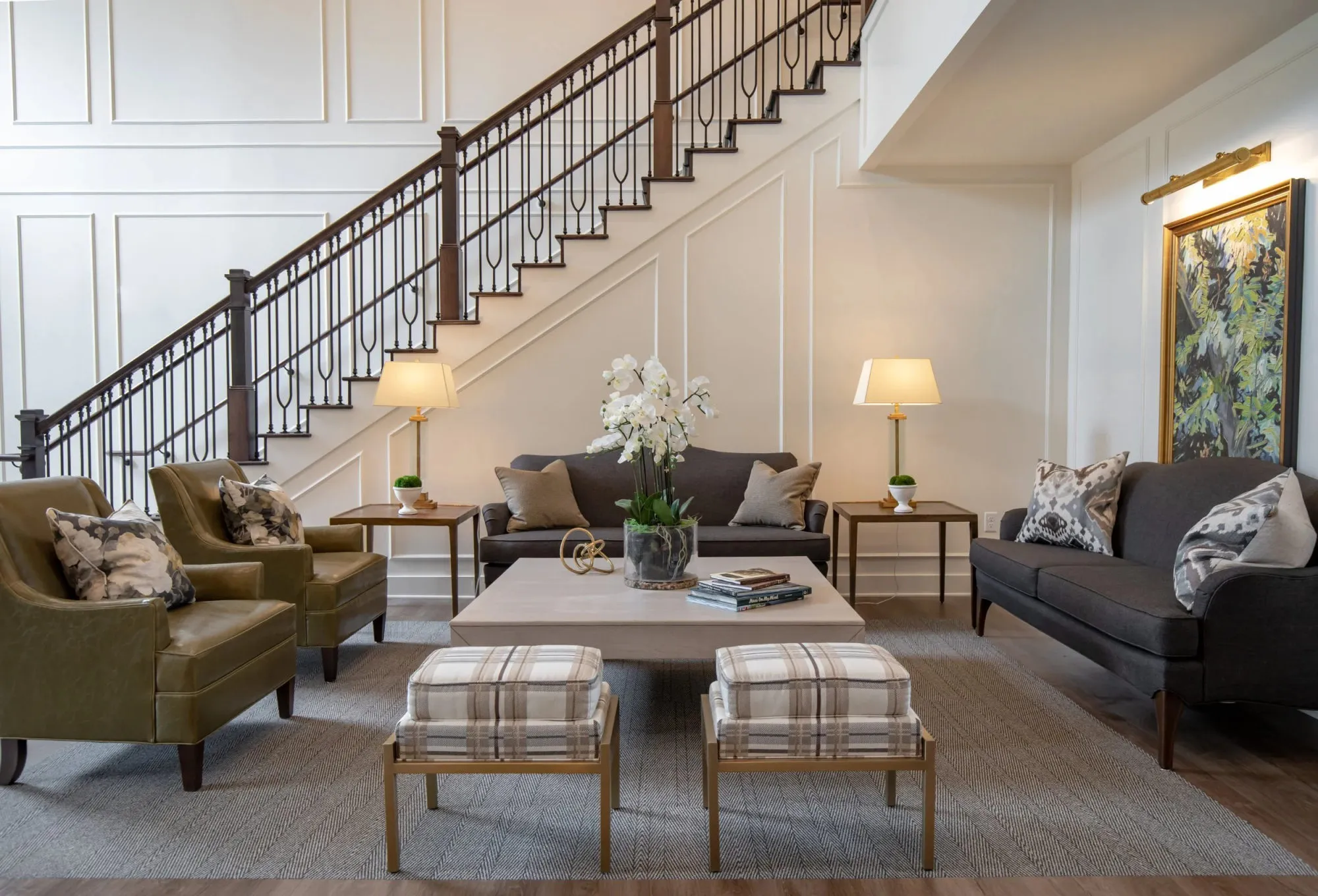
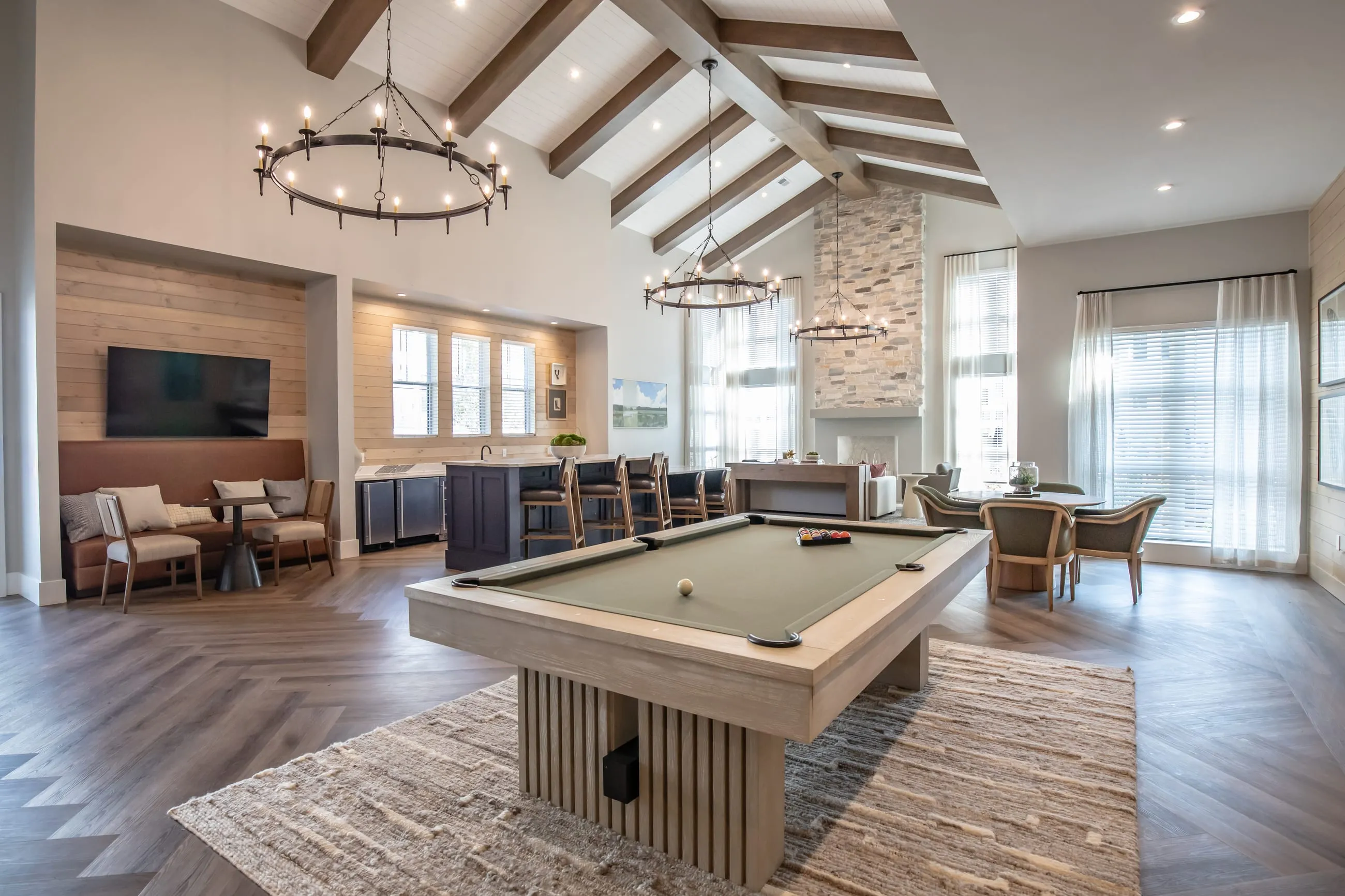
The most successful clubhouses are designed to encourage lingering.
Comfortable seating.
Warm lighting.
Varied gathering spaces.
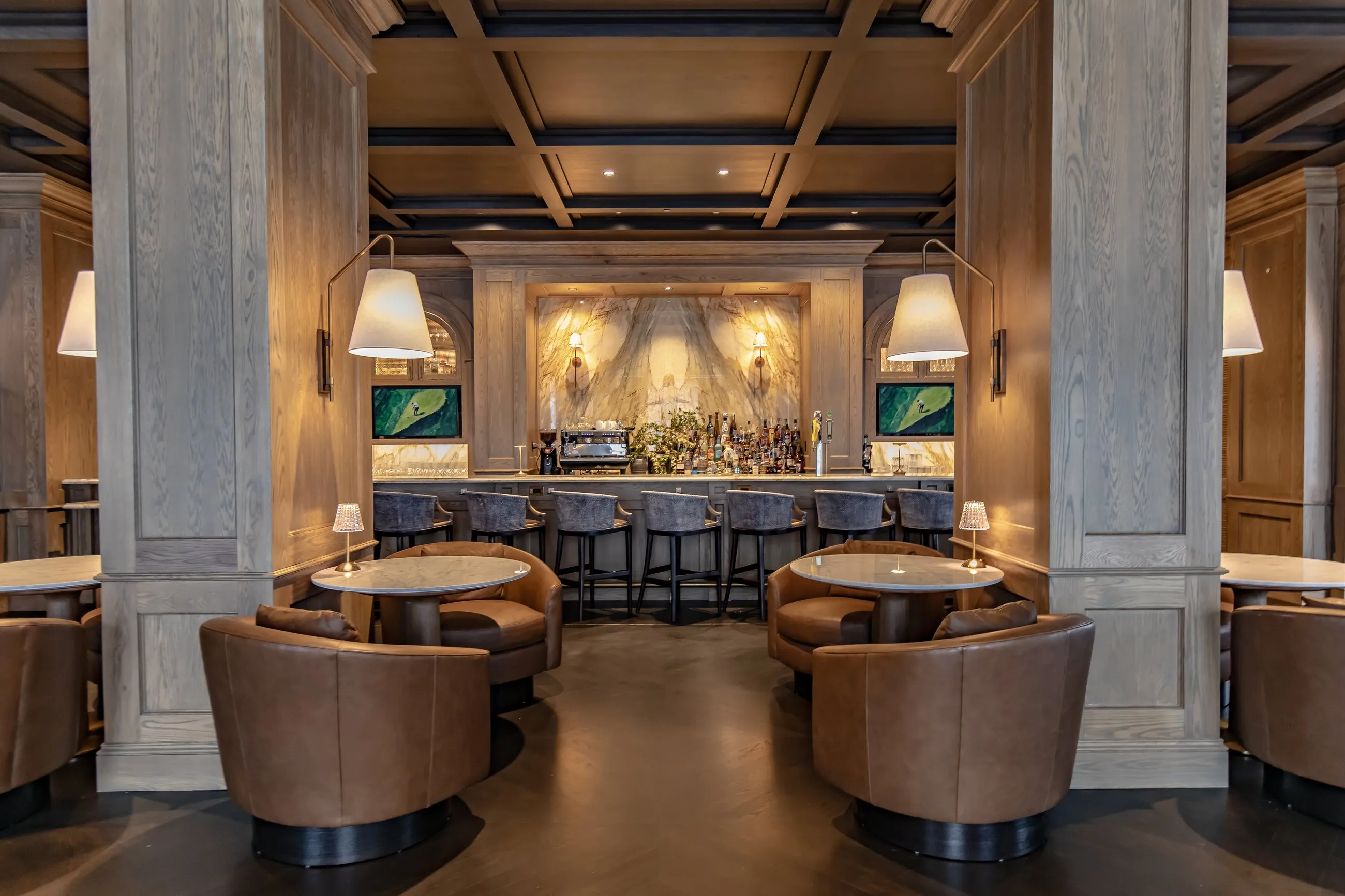
Inviting bars.
Dining venues that feel relaxed rather than formal.
These are the elements that turn a quick stop into a three-hour conversation.
The goal is not only occupancy, but engagement.
Every Great Club Has Its Own Culture
The strongest clubs don’t feel interchangeable, they feel specific.
Most importantly, they reflect the people who belong there.
Some clubs are known for family traditions. Others for the course, the dining, or the social calendar. Whatever defines the club, the clubhouse should bring that identity to life.
Design should support the culture of a club, not compete with it.
When members walk through the door, they should immediately understand what makes their club different.
The Best Seat in the Clubhouse Tells You Everything
Every club has one.
The seat everyone gravitates toward.
The bar stool that’s never empty.
The corner booth that’s somehow always spoken for.
The lounge chair that’s become unofficially assigned, whether anyone admits it or not.
It’s rarely the most expensive seat in the room. And it’s almost never the one a designer points to during a presentation. Yet somehow, members keep finding their way back to it.
Why?
Because great club spaces aren’t defined by furniture. They’re defined by behavior.
The seat everyone fights over usually has the best view, the most comfortable scale, the right amount of privacy, or simply the strongest connection to the energy of the room.
It’s where conversations happen. Deals get done. Stories get told. And traditions begin.
The best clubs pay attention to those moments. They study them. They learn from them. Because if everyone is fighting over one seat, it tells you everything you need to know about how members actually want to experience the club.
And that’s often where great design begins.
Can Design Create a Waiting List?
Not by itself, but design absolutely contributes to the experiences that create demand.
A waiting list is rarely the result of a single golf hole, dining room, or renovation. It’s the result of a club consistently delivering something people want to be part of.
Something that feels meaningful. Something that feels special. Something that members talk about long after they leave. Design plays a role in that story. So do service, programming, leadership, and culture.
The strongest clubs understand that all of those elements work together.
More Than a Clubhouse
A great clubhouse is never just a building.
It’s where stories get retold. Where friendships deepen. Where members celebrate milestones, entertain guests, and spend far more time than they intended. It’s where the personality of the club comes to life.
The 18th hole may be what gets people through the gate, but the 19th hole is where culture is built.
It’s where traditions begin. It’s where connections are made. And it’s often the reason members keep coming back.
Because years from now, nobody will remember the scorecard.
They’ll remember the seat they always gravitated toward, the conversations that lingered long after dinner, and how the club made them feel.
That’s the difference between a club people join and a club people belong to.
And that’s what great club design is really about.